
 07 3778 7155
 m2leadsmarketing@gmail.com
 Brisbane, Australia
Every minute counts after water damage. A flooded carpet isn’t just an inconvenience; it becomes a race against time. The longer water sits, the greater the risk of permanent carpet damage, mould growth, unpleasant odours, and expensive replacements.
So, how quickly should water extraction begin?
The answer is simple: immediately.
The first 24-48 hours are critical. Acting fast can often mean the difference between restoring your carpet and throwing it away.
Why Fast Water Extraction Makes All the Difference
Standing water doesn’t stay on the surface for long.
It quickly seeps into:
- Carpet fibres
- Carpet underlay
- Timber flooring
- Concrete slabs
- Skirting boards
- Wall cavities
This hidden moisture creates the perfect environment for bacteria and mould to thrive.
If you’re asking, “How quickly should water extraction begin?” don’t wait for the carpet to “dry naturally”. Professional extraction should start as soon as it’s safe to enter the property.
Can Wet Carpet Be Saved?
One of the biggest concerns homeowners have is, “Can wet carpet be saved?”
In many cases, yes, but only if action is taken quickly.
Your carpet has a much better chance of recovery when:
- Water is extracted within hours.
- Industrial drying equipment is used.
- Moisture levels are professionally monitored.
- The underlay is assessed for damage.
- Sanitisation is completed to remove contaminants.
However, carpets exposed to contaminated floodwater or left wet for several days may require replacement. That’s why delaying the restoration process almost always increases repair costs.
Don’t Make These Common Mistakes
After discovering a wet carpet, many people unintentionally make the problem worse.
Avoid:
- Leaving windows open and hoping for the best.
- Using household fans alone.
- Walking repeatedly over saturated carpet.
- Ignoring damp underlay.
- Waiting until mould appears.
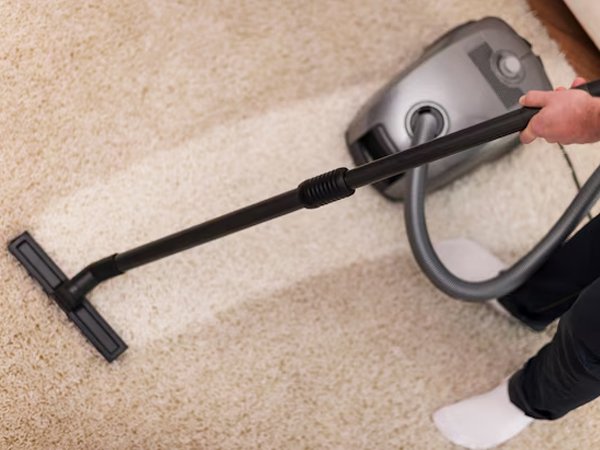
Professional carpet water extraction uses high-powered extraction machines, commercial air movers, dehumidifiers, and moisture detection equipment to remove water thoroughly, not just from the surface.
If you’re still wondering, “Can wet carpet be saved?,” the sooner an expert inspects the damage, the better the outcome.
What Professional Water Damage Restoration Includes
A quality restoration service goes far beyond removing visible water.
Expect:
- Emergency water extraction
- Moisture mapping
- Structural drying
- Carpet and underlay assessment
- Dehumidification
- Antimicrobial treatment
- Final moisture testing
This complete process helps protect both your flooring and your home’s indoor air quality.
If you’re asking, “How quickly should water extraction begin?,” the safest answer is: the moment the flooding is discovered.
Save Your Carpet Before It’s Too Late
Water damage doesn’t wait, and neither should you. Every hour increases the chance of mould, lingering odours, structural damage, and costly carpet replacement.
Get Fast Help from Freshify Flood Restoration Brisbane!
When every minute matters, trust Freshify Flood Restoration Brisbane to respond quickly with professional water extraction, advanced drying equipment, and expert restoration solutions.
Whether you’re dealing with a burst pipe, storm damage, or an overflowing appliance, our experienced team is ready to help restore your carpets before permanent damage sets in. Contact us today for fast, reliable emergency water damage restoration and give your carpets the best possible chance of recovery.
Frequently Asked Questions
- Can hidden moisture remain beneath a carpet even when the surface feels dry?
Yes. Moisture can become trapped in the underlay or subfloor, creating the ideal conditions for mould growth even if the carpet appears completely dry.
- Is specialised equipment necessary after minor indoor flooding?
Absolutely. Carpet water extraction uses commercial-grade equipment to remove moisture from deep within the carpet and underlay, helping prevent long-term damage that household tools often miss.
- Can furniture leave permanent marks on a water-damaged carpet?
It can. Heavy furniture placed on damp carpet may compress the fibres and slow the drying process, increasing the risk of staining or mould beneath the affected area.
- Does extracting water also help improve indoor air quality?
Yes. Prompt carpet water extraction removes excess moisture that can contribute to mould, mildew, and musty odours, creating a healthier indoor environment.
- Are certain carpet materials harder to restore after water damage?
Yes. Natural fibre carpets, such as wool, tend to absorb more water and may require more specialised drying techniques than many synthetic carpet materials.
- Can moisture testing still be necessary after the carpet looks dry?
Definitely. Professional carpet water extraction is usually followed by moisture testing to confirm that hidden dampness has been eliminated before the restoration process is considered complete.
- Does the season affect how quickly a carpet dries?
Yes. Higher humidity and cooler temperatures can significantly slow the drying process, making professional drying equipment even more important.
- Can repeated wetting and drying weaken carpet backing?
Yes. Multiple water exposure events can break down the carpet backing and adhesive over time, reducing the carpet’s lifespan even if the visible fibres still look intact.

