
 07 3778 7155
 m2leadsmarketing@gmail.com
 Brisbane, Australia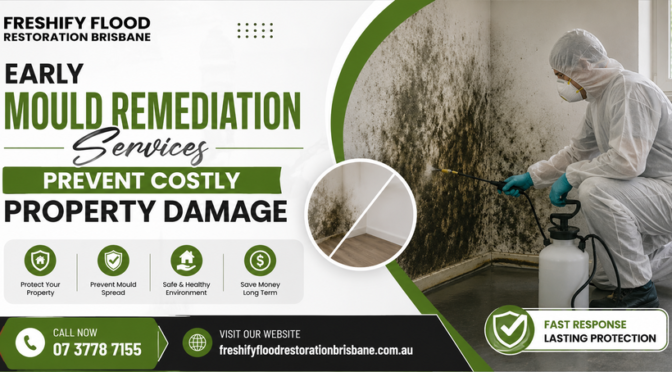
Water damage may appear to be over once carpets, walls, and floors look dry, but the real danger often remains hidden. Moisture trapped inside building materials creates the perfect environment for mould growth, allowing colonies to spread silently behind walls, beneath flooring, and inside ceiling cavities.
Many Brisbane homeowners don’t realise they have a mould problem until unpleasant odours, visible stains, or health symptoms begin to appear. By that stage, the contamination may already be extensive. Professional Mould Remediation Brisbane services help identify hidden mould before it causes costly structural damage or affects indoor air quality. Early detection and expert treatment protect both your property and your family’s health.
Why Hidden Mould Develops After Water Damage
Water from flooding, burst pipes, leaking roofs, or overflowing appliances rarely remains on the surface. It penetrates plasterboard, timber framing, insulation, carpets, underlays, and subfloors. Even when surfaces feel completely dry, moisture may still be trapped deep inside the structure.
This hidden moisture creates ideal conditions for Mould After Water Damage Brisbane, allowing mould spores to begin growing within 24 to 48 hours. Because these areas are out of sight, mould often spreads unnoticed until the infestation becomes significant.
Common Places Hidden Mould Grows
Some of the most common locations professionals discover mould include:
- Behind plasterboard walls
- Under carpets and underlays
- Beneath timber and laminate flooring
- Ceiling cavities after roof leaks
- Inside insulation
- Around windows with poor sealing
- Behind kitchen cabinets
- Under bathroom vanities
- Inside HVAC and air-conditioning systems
- Around plumbing penetrations
Professional Mould Inspection Brisbane services focus on these high-risk areas where moisture frequently becomes trapped.
Early Signs That Hidden Mould May Already Be Growing
Visible mould isn’t always the first warning sign.
Watch for these indicators:
Persistent Musty Odours
A damp, earthy smell that doesn’t disappear after cleaning often signals hidden mould growth.
Bubbling or Peeling Paint
Paint that blisters or peels usually indicates moisture trapped behind the wall.
Wall or Ceiling Stains
Yellow, brown or dark discolouration may point to concealed water damage.
Swollen Building Materials
Warping skirting boards, soft plasterboard or lifted flooring often indicate prolonged moisture exposure.
Increased Indoor Humidity
Some rooms may constantly feel damp despite normal ventilation.
Worsening Allergy Symptoms
Hidden mould commonly triggers:
- Sneezing
- Runny nose
- Coughing
- Eye irritation
- Skin irritation
- Asthma flare-ups
If these symptoms improve when leaving the house, hidden mould could be responsible.
Why DIY Inspections Usually Miss Hidden Mould
Most mould remains completely invisible.
Cleaning visible patches doesn’t solve the underlying problem because mould often extends far beyond what can be seen.
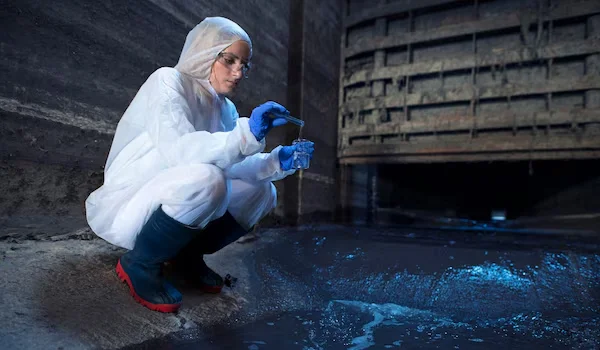
Professional Mould Inspection Brisbane specialists use advanced equipment capable of locating hidden moisture and mould without unnecessary demolition.
Advanced Technology Used During Professional Mould Detection
Professional technicians combine several inspection methods for accurate results.
| Detection Technology | Purpose |
|---|---|
| Thermal Imaging Cameras | Detect hidden moisture through temperature variations |
| Moisture Meters | Measure moisture levels inside walls, flooring and ceilings |
| Air Quality Testing | Identify elevated airborne mould spores |
| Borescope Cameras | Inspect inside wall cavities without major damage |
| Surface Sampling | Confirms mould species growing on materials |
These tools provide accurate information before any Mould Remediation Brisbane work begins.
Why Black Mould Requires Immediate Professional Attention
Not all mould species present the same level of risk. Some varieties, particularly toxic black mould, can release harmful mycotoxins into indoor air. This makes Black Mould Removal Brisbane an urgent priority whenever black mould is suspected.
Exposure may contribute to:
- Chronic coughing
- Breathing difficulties
- Headaches
- Sinus infections
- Eye irritation
- Fatigue
- Worsening asthma
- Skin reactions
Professional Black Mould Removal Brisbane specialists use specialised containment equipment to prevent spores spreading throughout the property. DIY removal often disturbs mould colonies, releasing thousands of additional spores into the air.
The Professional Mould Remediation Process
Every successful Mould Remediation Brisbane project follows a structured process designed to eliminate contamination safely.
Step 1: Comprehensive Inspection
Technicians perform a complete Mould Inspection Brisbane to determine the source and extent of contamination.
Step 2: Moisture Detection
Advanced moisture testing identifies every affected area, including hidden building cavities.
Step 3: Containment
Containment barriers and negative air pressure systems prevent mould spores from spreading into unaffected rooms.
Step 4: Safe Removal
Damaged materials are carefully removed while contaminated surfaces are professionally cleaned. Extensive Black Mould Removal Brisbane requires specialised safety procedures and protective equipment.
Step 5: Antimicrobial Treatment
Professional antimicrobial treatments eliminate remaining spores and reduce the risk of regrowth.
Step 6: Drying and Moisture Correction
The underlying moisture source must be fully resolved.
Without proper drying, even the best Mould Remediation Brisbane cannot permanently stop mould from returning.
Why Flooding Makes Mould Almost Inevitable
Floodwater introduces enormous amounts of moisture into building materials.
Even after emergency water extraction, dampness often remains hidden inside structural cavities.
This is why Mould After Water Damage Brisbane develops so rapidly following:
- Storm flooding
- Burst pipes
- Roof leaks
- Appliance failures
- Overflowing bathrooms
- Sewage backups
Professional drying combined with prompt Mould Remediation Brisbane dramatically reduces long-term damage.
Can Mould Return After Professional Treatment?
Yes—but only if the moisture source remains.
Professional Mould Remediation Brisbane removes existing contamination, but future leaks or ongoing humidity can allow new mould to develop.
Preventative measures include:
- Repair leaks immediately
- Improve ventilation
- Maintain indoor humidity below 60%
- Service air-conditioning systems regularly
- Dry water damage within 24–48 hours
- Schedule periodic Mould Inspection Brisbane after major water events
Why Early Action Saves Thousands
Ignoring hidden mould often leads to:
- Structural timber damage
- Plasterboard replacement
- Carpet removal
- Flooring replacement
- Reduced indoor air quality
- Expensive renovations
- Increased health risks
Early Mould Remediation Brisbane is significantly less expensive than repairing widespread structural damage later.
Protect Your Home Before Hidden Mould Spreads
Hidden mould rarely disappears on its own.
If your home has experienced flooding, leaks, or unexplained dampness, arranging a professional inspection is the safest decision. Professional Mould Inspection Brisbane, comprehensive Black Mould Removal Brisbane, and expert Mould Remediation Brisbane services can identify hidden contamination, eliminate mould safely, and restore healthy indoor conditions.
If you suspect Mould After Water Damage Brisbane, contact Freshify Flood Restoration Brisbane today on 07 3778 7155 for prompt assistance. Acting early helps protect your home, your investment, and your family’s health.
Frequently Asked Questions
1. How soon should mould remediation begin after water damage?
Professional Mould Remediation Brisbane should begin within 24–48 hours of water damage to minimise mould growth and structural deterioration.
2. Can mould grow behind walls without visible signs?
Yes. Hidden mould commonly develops inside wall cavities where trapped moisture remains undetected.
3. Is professional mould inspection necessary after flooding?
Yes. A professional Mould Inspection Brisbane can detect concealed moisture and mould that cannot be seen during a visual inspection.
4. Is black mould more dangerous than other mould?
Certain black mould species can produce harmful mycotoxins, making Black Mould Removal Brisbane essential for protecting indoor air quality.
5. Can mould spread through air-conditioning systems?
Yes. HVAC systems can circulate mould spores throughout the property if contamination develops inside the system.
6. How long does mould remediation usually take?
Most residential remediation projects are completed within one to three days, depending on the extent of contamination.
7. Can mould return after professional remediation?
Yes. Mould can return if leaks, flooding, or excessive humidity are not permanently addressed.
8. Does mould always produce a musty smell?
Not always, but persistent earthy or damp odours are one of the earliest indicators of hidden mould.
9. Can mould affect indoor air quality?
Yes. Airborne mould spores may reduce indoor air quality and trigger respiratory symptoms.
10. Should carpets be replaced after mould contamination?
It depends on the severity. Professionals assess whether cleaning or replacement is the safest option.
11. Can mould damage structural timber?
Yes. Long-term moisture exposure can weaken timber framing and other building materials.
12. Is DIY mould removal recommended?
No. Large infestations and toxic mould require trained professionals using specialised containment and removal techniques.
13. How can I prevent mould after water damage?
Dry affected areas immediately, repair leaks promptly, improve ventilation, and schedule professional inspections when necessary.
14. Will dehumidifiers completely prevent mould?
They help reduce moisture but cannot eliminate mould that has already developed inside building materials.
15. When should I arrange a professional mould inspection?
Arrange a Mould Inspection Brisbane immediately after flooding, persistent leaks, unexplained damp odours, or if allergy symptoms worsen indoors.

